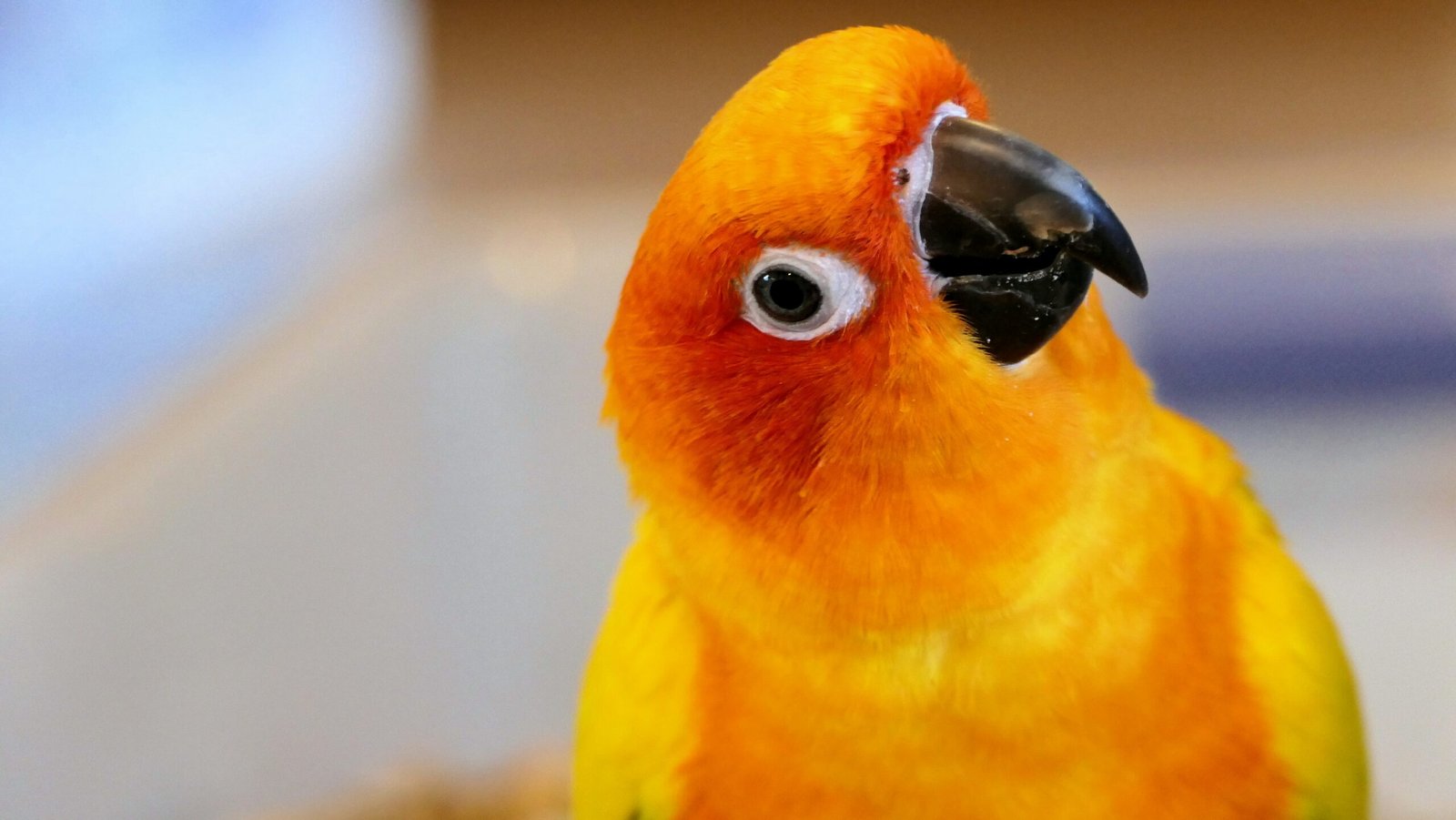
Sun Conure vs Jenday Conure: What’s the difference? Learn about their colors, personality, noise levels, and care needs before choosing your pet bird. Many bird enthusiasts often confuse the Sun Conure and the Jenday Conure because of their strikingly similar appearance and vibrant colors. Both species belong to the Aratinga group of conures and are among the most popular pet parrots in the world. Their playful personalities, bright plumage, and affectionate nature make them favorites among bird lovers.
The main difference between the Sun Conure and the Jenday Conure lies in their color distribution, vocal intensity, and slight temperament variations. Sun Conures usually display a more golden-yellow body with orange highlights, while Jenday Conures tend to have a bright orange head and chest with greener wings. Both parrots are similar in size, personality, and lifespan, and they are known for being highly social, playful, and vocal birds. Although the two species look very similar, understanding these subtle differences can help bird enthusiasts identify them and choose the right pet conure.
Both birds are native to South America, where they live in tropical forests, woodlands, and open savannas. The Sun Conure is primarily found in regions of northeastern South America, especially in countries like Brazil, Guyana, and Suriname. The Jenday Conure, on the other hand, is mainly native to northeastern Brazil, where it inhabits palm groves, forest edges, and open woodland areas. In their natural habitats, these parrots live in small flocks and are constantly active, flying, foraging, and communicating with loud calls.
Because of their striking beauty and lively personalities, both species have become extremely popular in aviculture around the world. However, despite their similarities, there are several important differences between Sun Conures and Jenday Conures that potential bird owners should understand. These differences include their color patterns, temperament, noise level, and overall care requirements. Knowing these distinctions can help bird enthusiasts choose the conure species that best fits their lifestyle and expectations.
Table of Contents
1. Appearance Differences Between Sun Conure and Jenday Conure
One of the easiest ways to distinguish a Sun Conure from a Jenday Conure is by examining their feather coloration.
The Sun Conure is famous for its brilliant golden-yellow body combined with bright orange shades on the face and chest. Its wings usually contain green feathers, while the tail often shows touches of blue. This blend of yellow and orange gives the Sun Conure a radiant appearance that resembles the colors of the sun.
The Jenday Conure, on the other hand, displays a slightly different color distribution. Its head and chest are usually bright orange, while the wings and back are more prominently green. Although it also has yellow tones on its body, the overall pattern is less golden than that of the Sun Conure. These differences may seem subtle at first, but experienced bird keepers can quickly identify each species by observing these color variations.
2. Size and Physical Characteristics
When comparing Sun Conure vs Jenday Conure, size is not a major distinguishing factor because both birds are quite similar in length. A typical Sun Conure grows to about twelve inches from head to tail. The Jenday Conure also reaches nearly the same length, making it difficult to differentiate them based solely on size.
However, some bird enthusiasts notice that Sun Conures appear slightly more compact and rounded in body shape, while Jenday Conures may look a bit slimmer. This difference is subtle and may not be noticeable to inexperienced bird owners.
3. Noise Level and Vocal Behavior
Conures are widely known for their loud and expressive voices, and both species share this characteristic. However, when discussing Sun Conure vs Jenday Conure noise level, many bird owners consider the Sun Conure to be slightly louder.
The Sun Conure produces high-pitched calls that can travel long distances. These birds often vocalize when they are excited, playing, or trying to get attention from their owners. Their loud voice is one reason why they may not be ideal pets for apartment living.
The Jenday Conure is also a vocal bird, but some owners feel its calls are slightly less sharp than those of the Sun Conure. Even so, Jenday Conures are still capable of producing loud sounds and should be kept in environments where noise will not cause problems.
4. Personality and Temperament
Both species are known for their lively and affectionate personalities. When comparing Sun Conure vs Jenday Conure personality, there are many similarities. Both birds are social, curious, and highly interactive with their owners.
Sun Conures are often described as extremely outgoing and attention-seeking. They enjoy being involved in family activities and may become noisy if they feel neglected. Their energetic nature makes them entertaining pets, but they require regular interaction to stay happy.
Jenday Conures also possess a playful and affectionate temperament. Many owners find them to be friendly and curious birds that enjoy exploring their surroundings. Some bird keepers suggest that Jenday Conures can be slightly calmer than Sun Conures, although personality differences can vary from bird to bird.
5. Intelligence and Trainability
Another similarity between these species is their intelligence. Both the Sun Conure and the Jenday Conure are capable of learning tricks and responding to basic commands.
Although they are not known as exceptional talking parrots, they can mimic simple sounds or short phrases with consistent training. Their curiosity and intelligence mean that they require plenty of mental stimulation, including toys, puzzles, and opportunities to explore.
Providing enrichment activities is essential because bored conures may develop behavioral problems such as excessive screaming or destructive chewing.
6. Availability and Price Differences
When considering Sun Conure vs Jenday Conure price and availability, both species are commonly found in the pet bird market. However, the Sun Conure is often more widely recognized and sometimes commands a higher price due to its popularity and demand.
The Jenday Conure is also widely bred and available through many bird breeders and pet stores. In some regions, they may be slightly more affordable than Sun Conures, although prices vary depending on factors such as age, breeder reputation, and whether the bird is hand-raised.
7. Lifespan and Care Requirements
The lifespan of both species is very similar. With proper care, the Sun Conure and the Jenday Conure can live between twenty and thirty years in captivity.
Both birds require a spacious cage, a balanced diet consisting of high-quality pellets, fruits, and vegetables, and daily social interaction. Because they are active and intelligent parrots, they also need regular exercise and opportunities to play outside their cage.
Final Thoughts
When comparing Sun Conure vs Jenday Conure, it becomes clear that these two beautiful parrots share many similarities but also possess a few subtle differences. Their color patterns, vocal intensity, and personality traits can vary slightly, although both species are known for their playful and affectionate nature.
For bird enthusiasts looking for a vibrant and engaging companion, either the Sun Conure or the Jenday Conure can make an excellent pet. The choice ultimately depends on personal preference and the owner’s ability to provide the time, care, and attention these energetic parrots require.
With the right environment and proper care, both of these colorful conures can become loyal companions and bring years of joy to their owners.