Guinea fowl are slowly gaining attention among farmers, backyard poultry keepers, and bird enthusiasts across the country. These hardy birds are known for their strong immunity, low maintenance, and multiple benefits such as pest control, egg production, and meat value. Compared to traditional poultry, guinea fowl require less investment and can adapt well to Indian climatic conditions, making them an attractive option for beginners and small-scale farmers. Guinea Fowl Farming in India is therefore emerging as a practical and sustainable alternative to conventional poultry farming.
In recent years, many farmers have started exploring Guinea Fowl Farming in India as an alternative to chicken farming. Their ability to survive in harsh weather, forage for food, and resist diseases makes them particularly suitable for rural and semi-urban areas. As awareness grows, more people are realizing the practical advantages of raising these unique birds and are increasingly showing interest in Guinea Fowl Farming in India.
What Is Guinea Fowl Farming
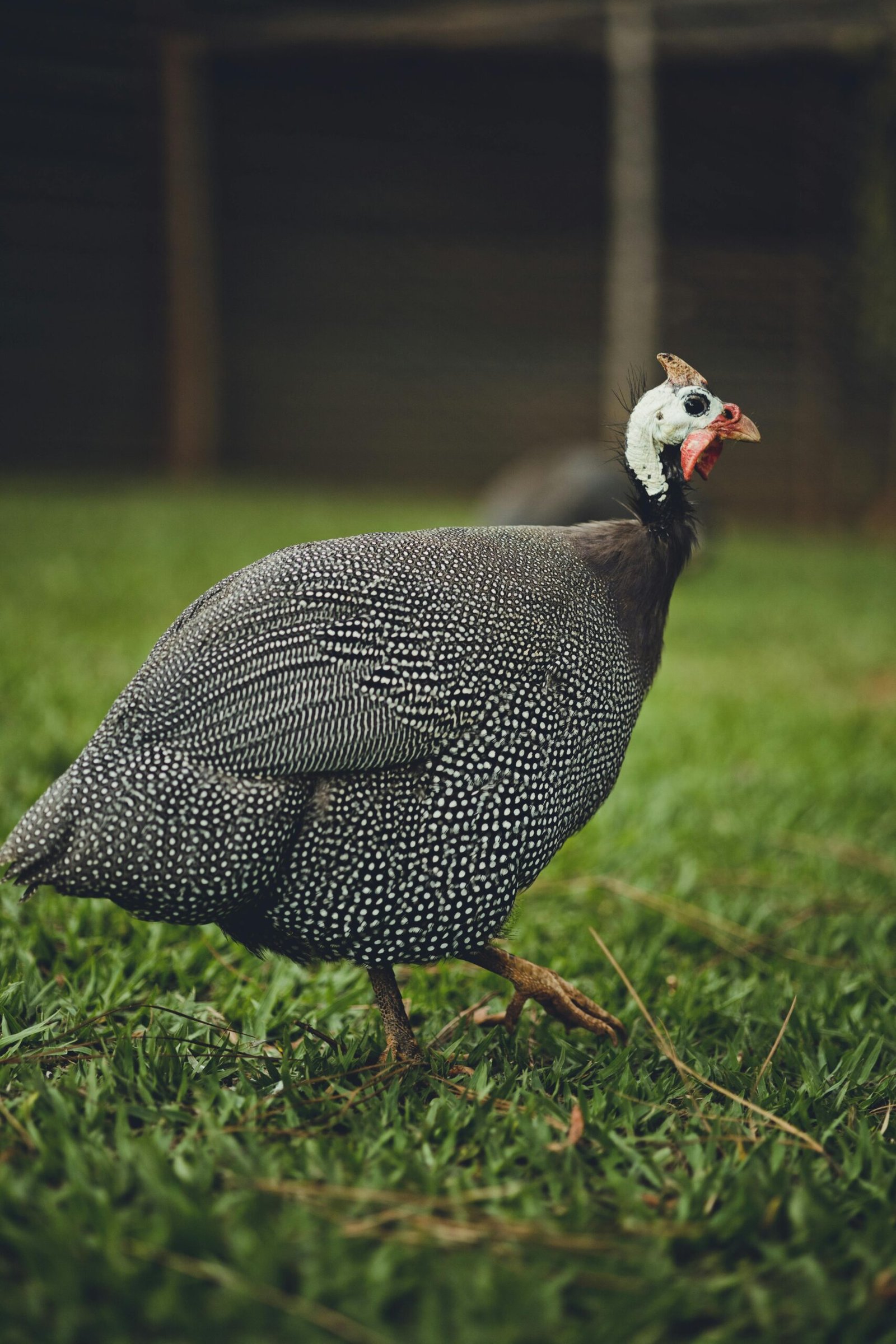
Guinea fowl farming refers to raising guinea birds for eggs, meat, pest control, and breeding purposes. Originally native to Africa, guinea fowl have adapted well to Indian conditions and are now raised in many parts of the country. These birds are easily recognized by their spotted feathers, helmet-shaped heads, and active nature.
Unlike chickens, guinea fowl prefer free-range environments. They enjoy roaming around farms and open spaces, feeding on insects, seeds, and greens. This natural foraging behavior reduces feed costs and makes them ideal for farmers who have backyard space or agricultural land. Because of their adaptability and hardy nature, Guinea Fowl Farming in India is becoming increasingly suitable for both small farmers and backyard poultry enthusiasts.
Why Farmers Are Choosing Guinea Fowl
One of the main reasons farmers are turning to guinea birds is their strong immunity. Compared to chickens, guinea fowl are naturally resistant to many common poultry diseases. This reduces veterinary expenses and lowers the risk of sudden losses, making Guinea Fowl Farming in India less risky for beginners.
Another important advantage is natural pest control. Guinea fowl actively feed on insects such as termites, grasshoppers, ticks, beetles, and even small snakes. Farmers often use them to protect crops and reduce dependence on chemical pesticides. This makes them especially useful for organic farming and sustainable agriculture, further increasing interest in Guinea Fowl Farming in India.
Guinea fowl are also known for their alert nature. They make loud alarm calls whenever they sense strangers, predators, or unusual movement. Because of this behavior, many farmers keep guinea birds as natural watchdogs for farms and poultry units. Their presence alone can help deter predators and alert owners to potential threats.
Low maintenance is another factor driving interest. These birds require basic shelter, minimal feeding, and adapt easily to local environments. Their ability to survive in hot and humid conditions makes Guinea Fowl Farming in India suitable for different regions across the country.
Investment Required
Starting a small guinea fowl unit does not require heavy investment. Beginners can start with a few birds and gradually expand the flock. The basic expenses include purchasing chicks, building simple housing, and arranging feed for the initial weeks.
Approximate costs include:
Guinea fowl chicks: ₹80 – ₹150 per chick
Basic housing setup: ₹5,000 – ₹15,000
Initial feed cost: ₹2,000 – ₹5,000
Basic equipment: ₹2,000 – ₹3,000
With these estimates, beginners can start with a modest budget. This makes Guinea Fowl Farming in India accessible even for small farmers, backyard poultry keepers, and hobby breeders.
Egg Production and Value
Guinea hens typically lay between 80 to 120 eggs per year. Although the eggs are smaller than chicken eggs, they have thicker shells and longer shelf life. These eggs are known for their rich taste and high nutritional value.
In some areas, guinea eggs are sold at higher prices than chicken eggs due to their limited availability and unique taste. This creates an additional income stream for farmers. Because guinea birds can forage naturally, the cost of producing eggs is also relatively lower, which improves the profitability of Guinea Fowl Farming in India.
Meat Demand and Market Value
Guinea fowl meat is lean, high in protein, and lower in fat compared to chicken. Many people consider it healthier and tastier. In certain regions, guinea meat is treated as a specialty product and sold at premium prices.
Restaurants, specialty meat shops, and local markets often show interest in guinea meat due to its unique taste. This growing demand makes Guinea Fowl Farming in India a profitable option for farmers looking for alternative poultry income.
Housing Requirements
Guinea fowl do not require expensive housing systems. A simple shed that protects them from rain, cold, and predators is usually enough. These birds prefer roosting at higher places, so providing wooden perches or raised platforms is beneficial.
Since guinea birds enjoy free-range environments, allowing them to roam during the day improves their health and reduces feeding costs. At night, they can be kept in a secure shelter to prevent predator attacks.
Feeding and Nutrition
One of the biggest advantages of raising guinea birds is their natural foraging ability. They feed on insects, weeds, seeds, and greens available in the surroundings. However, providing supplementary feed ensures healthy growth and better egg production.
Common feed options include grains, poultry feed, kitchen scraps, vegetables, and greens. Clean drinking water should always be available. Balanced nutrition helps maintain strong immunity and improves productivity, making Guinea Fowl Farming in India more sustainable.
Breeding and Growth
Guinea hens usually lay eggs in hidden nests, especially in free-range conditions. Farmers often collect eggs and use incubators or broody chickens for hatching. The incubation period ranges from 26 to 28 days.
Young guinea birds, known as keets, require warmth and protection during their early weeks. Once they grow, they become hardy and require minimal care. With proper management, farmers can expand their flock naturally through breeding.
Farm Security Benefits
One unique benefit of raising guinea birds is their use in farm security. These birds are extremely alert and make loud calls when they notice strangers, predators, or unusual movement. Many farmers keep guinea birds specifically to protect poultry farms, gardens, and agricultural land.
Their noise may seem excessive at times, but it serves as a natural alarm system. This feature makes Guinea Fowl Farming in India particularly useful for rural and agricultural settings.
Challenges to Consider
Although guinea birds offer many advantages, there are a few challenges. They can be noisy, which may not be suitable for urban residential areas. They also prefer free-range conditions and may wander if not properly managed.
Guinea birds can fly short distances, so basic fencing may be required. However, these challenges are manageable with proper planning and care.
Profitability and Future Scope
Due to low investment and multiple income sources, Guinea Fowl Farming in India is considered profitable. Farmers can generate income through egg sales, meat sales, breeding pairs, and chick sales. These multiple revenue streams make guinea birds a smart addition to small farms and backyard poultry setups.
With increasing awareness about alternative poultry farming, more farmers are exploring Guinea Fowl Farming in India. The adaptability, disease resistance, and economic benefits make guinea birds a promising option for the future.
Conclusion
Guinea birds are becoming a valuable addition to farms across the country. Their strong immunity, natural pest control abilities, and low maintenance requirements make them suitable for beginners and experienced farmers alike. As more people recognize these benefits, Guinea Fowl Farming in India is expected to grow steadily in the coming years.
For those looking to start poultry farming with low risk and good returns, Guinea Fowl Farming in India offers a practical and sustainable opportunity. With proper care and free-range space, these birds can thrive and provide multiple benefits for farmers and backyard poultry keepers.