
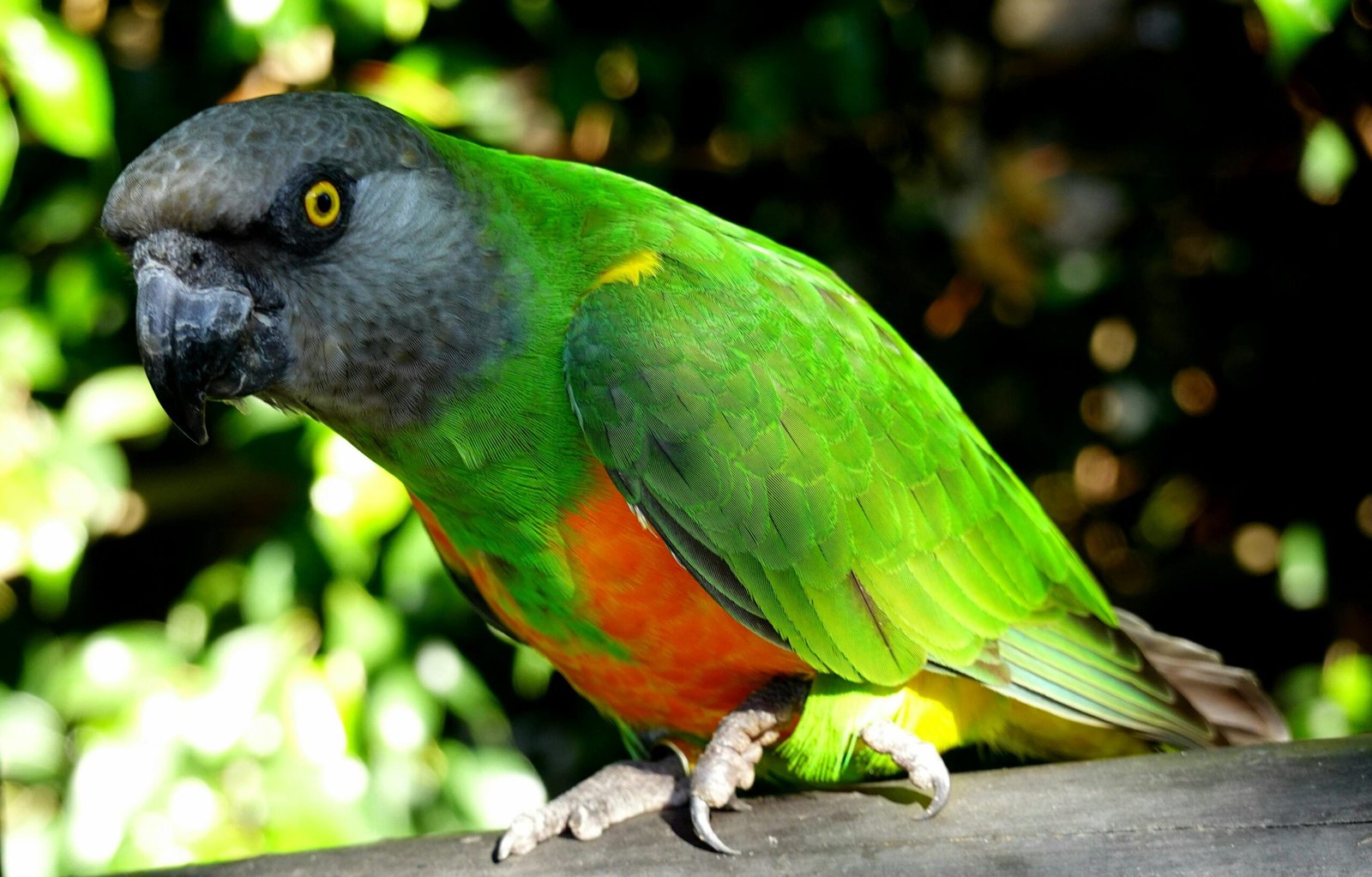
Learn Senegal Parrot Breeding Guide for Beginners: Cage Setup, Nest Box & Chick Care. Discover breeding age, egg laying, incubation, and tips for raising healthy Senegal parrot chicks. Breeding a Senegal Parrot can be a rewarding experience for bird enthusiasts and hobby breeders. This Senegal Parrot Breeding Guide for Beginners: Cage Setup, Nest Box & Chick Care explains everything you need to know before starting. From selecting the right breeding pair to caring for chicks, proper preparation plays an important role in successful breeding.
This Senegal Parrot Breeding Guide for Beginners: Cage Setup, Nest Box & Chick Care is especially useful for first-time breeders who want to avoid common mistakes and create a comfortable environment for their birds. Senegal parrots are relatively easier to breed compared to many larger parrots, and with proper care, they can raise healthy chicks successfully.
Table of Contents
Ideal Breeding Age for Senegal Parrots
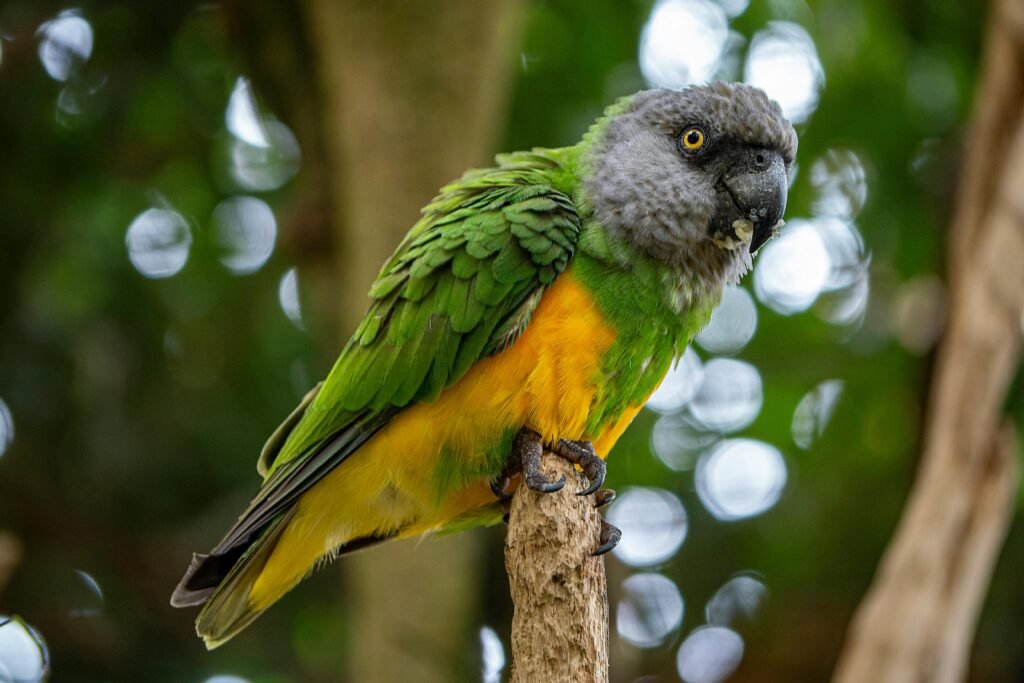
Senegal parrots usually reach sexual maturity between two to three years of age. However, experienced breeders recommend waiting until the birds are at least three years old before breeding. This Senegal Parrot Breeding Guide for Beginners: Cage Setup, Nest Box & Chick Care highlights that breeding birds too early may result in infertile eggs, weak chicks, or health problems for the female. Mature birds are usually better parents and more successful breeders.
Healthy breeding birds should be active, well-fed, and free from illness. Proper maturity significantly improves breeding success.
Choosing the Right Senegal Parrot Breeding Pair
Choosing the right breeding pair is another important step. Healthy birds that are active, well-fed, and unrelated are ideal for breeding. This Senegal Parrot Breeding Guide for Beginners: Cage Setup, Nest Box & Chick Care suggests allowing birds to naturally bond rather than forcing pairs together.
Bonded birds often feed each other, sit close, and show protective behavior. These are good signs that the pair is ready for breeding. Avoid pairing aggressive birds or birds that do not show interest in each other.
Cage Setup for Senegal Parrot Breeding
Cage setup plays a major role in encouraging breeding behavior. The breeding cage should be spacious and placed in a quiet environment. A minimum cage size of 24 x 24 x 36 inches is recommended, although a larger cage is always better.
This Senegal Parrot Breeding Guide for Beginners: Cage Setup, Nest Box & Chick Care recommends including natural wooden perches, food bowls, water bowls, and a nest box inside the cage. A calm environment with minimal disturbance helps birds feel secure and encourages breeding.
Maintaining cage cleanliness is also very important. A clean cage reduces infections and helps chicks grow safely.
Nest Box Requirements for Senegal Parrot Breeding
Nest box setup is another essential factor. Senegal parrots prefer enclosed wooden nest boxes that provide privacy. The recommended nest box size is approximately 10 to 12 inches in height and 8 to 10 inches in width and depth.
This Senegal Parrot Breeding Guide for Beginners: Cage Setup, Nest Box & Chick Care also suggests adding nesting materials such as wood shavings, coconut fiber, or pine shavings. These materials make the female comfortable and encourage egg laying.
The nest box should be fixed securely to avoid movement and disturbance.
Best Diet for Breeding Senegal Parrots
Nutrition plays a vital role during breeding. A balanced diet improves fertility and supports healthy chick development. This Senegal Parrot Breeding Guide for Beginners: Cage Setup, Nest Box & Chick Care recommends offering high-quality pellets, fresh vegetables, fruits, sprouted seeds, and soaked pulses.
Vegetables such as carrots, spinach, and broccoli are excellent choices. Fruits like apples and bananas can be offered in moderation. Calcium sources such as cuttlebone or mineral blocks are also important for egg production.
Fresh water should always be available and replaced daily.
Egg Laying and Incubation Period
Once breeding is successful, the female Senegal parrot usually lays two to four eggs. Eggs are laid every one to two days. This Senegal Parrot Breeding Guide for Beginners: Cage Setup, Nest Box & Chick Care explains that the female begins incubation after laying the second or third egg.
The incubation period usually lasts between 26 to 28 days. During this time, the female stays inside the nest box while the male feeds her. It is important to avoid disturbing the birds during this period.
Maintaining a calm and quiet environment increases hatching success.
Senegal Parrot Chick Hatching and Care
After the incubation period, chicks begin to hatch. Newly hatched chicks are blind, featherless, and completely dependent on their parents. This Senegal Parrot Breeding Guide for Beginners: Cage Setup, Nest Box & Chick Care recommends providing soft and nutritious food for the parents during this stage.
Parents usually take good care of chicks. Proper hygiene and fresh food help ensure healthy chick growth.
Senegal Parrot Chick Development Timeline
Chicks usually open their eyes after about 10 to 12 days. Feather growth begins after two to three weeks, and chicks become more active around five weeks.
As chicks continue to grow, they begin exploring outside the nest box at around seven to eight weeks. By ten to twelve weeks, they are usually fully weaned and ready to be separated.
This Senegal Parrot Breeding Guide for Beginners: Cage Setup, Nest Box & Chick Care highlights that proper hygiene and nutrition during this stage are very important for healthy chick development.
Parent Feeding vs Hand Feeding
Breeders sometimes choose between parent feeding and hand feeding. This Senegal Parrot Breeding Guide for Beginners: Cage Setup, Nest Box & Chick Care suggests parent feeding for beginners, as it is safer and easier.
Parent-raised chicks usually develop stronger immunity and healthier growth. Hand feeding is usually done by experienced breeders and requires proper knowledge and care.
Beginners should allow parents to raise chicks naturally.
Common Problems in Senegal Parrot Breeding
Some breeders may face challenges such as infertile eggs, egg abandonment, and chick mortality. This Senegal Parrot Breeding Guide for Beginners: Cage Setup, Nest Box & Chick Care suggests maintaining proper hygiene, balanced nutrition, and a quiet environment to reduce these issues.
Avoid frequent disturbances and monitor birds without causing stress. Proper care greatly increases breeding success.
Final Thoughts
This Senegal Parrot Breeding Guide for Beginners: Cage Setup, Nest Box & Chick Care shows that Senegal parrots can breed successfully when given proper care and environment. With patience, proper nutrition, and suitable nesting conditions, Senegal parrots can raise healthy chicks.
Whether you are breeding as a hobby or considering small-scale breeding, Senegal parrots are a great choice for beginners and experienced breeders alike.